

How Can Couples Stay Together in Assisted Living?
Couples often wonder if staying together is possible after moving into assisted living. In most residences, couples can share a suite or apartment as long as it meets their care needs. This option gives partners the ability to maintain shared routines, provide emotional support to each other, and ease transitions together. In Souderton, households with two older adults often take comfort knowing they can remain a team while gaining the assistance they need.
The option for shared living spaces allows couples to:
- Continue daily habits together, such as dining or relaxing in a private space
- Support one another during medical or emotional challenges
- Enjoy companionship, reducing feelings of isolation
What Support Is Available When Partners Have Different Needs?
When partners require different levels of care, assisted living communities adapt to keep couples together when possible. If one person has more advanced health needs or mobility challenges, while the other is more independent, staff work to provide individualized care within the shared apartment.
Local experience shows that support might look like:
- Tailored care plans—for example, medication reminders for one partner and mobility assistance for the other
- Flexible meal schedules if dietary requirements differ
- Opportunities to join different activities while having support to spend time together
If one partner’s needs become too great for assisted living, more advanced care options may be explored. However, many residents in Souderton are surprised by the lengths staff go to in order to adapt care and preserve the couple’s shared living arrangement as long as it’s safe.
How Does Assisted Living Support Privacy and Independence for Couples?
Residents often worry about balancing support with privacy. Assisted living environments are designed so couples can maintain normal life together. Private apartments allow couples to arrange their space, schedule visits, and participate in community life on their own terms.
Features that support privacy and independence include:
- Private bathrooms, bedrooms, and living areas separate from communal spaces
- The flexibility to host family or friends, just as they would at home
- The choice of joining shared events or enjoying quiet time together
Staff respect boundaries, providing help when needed but allowing couples opportunities to manage their own routines.
Can Couples Continue Shared Activities and Social Ties?
Staying active together often boosts well-being for couples. Assisted living programs in the area encourage partners to take part together in social outings, group activities, and wellness programs.
Some examples that fit Souderton lifestyles include:
- Joint participation in local cultural events or small-group fitness sessions on-site
- Being seated together at group meals, unless a medical reason prevents this
- Opportunities for both partners to keep outside connections—such as faith community participation or local clubs—while receiving logistical support when transportation or reminders are required
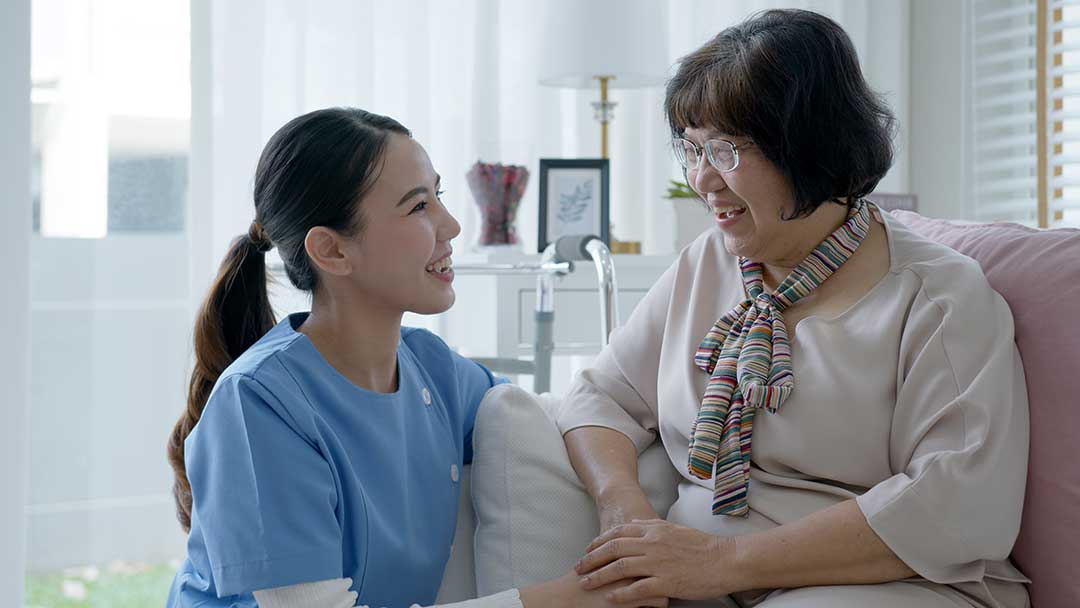
Couples find comfort in maintaining involvement in the local community while adjusting to new routines in a supportive setting.
How Are Transitions and Emotional Challenges Managed?
The move to assisted living is a major adjustment, particularly for longstanding partners. Alongside practical support, residents in Souderton benefit from counseling, orientation, and peer support groups tailored to emotional needs that arise.
Approaches often include:
- Orientation sessions designed for couples to learn about daily routines together
- Ongoing emotional support to help with grief, memory changes, or shifting relationships
- Peer counseling or support circles, where couples can share experiences with others facing similar transitions
These resources are available to ease the initial adjustment and support well-being throughout a couple’s stay.
Are There Limitations Couples Should Consider?
While assisted living offers many supports, some practical limitations may arise. If one partner requires a very high level of medical care that exceeds what is offered, a different care setting could eventually be needed. Couples are encouraged to discuss these possibilities and plan ahead to minimize disruptions.
Common misconceptions include believing that both partners must have identical care needs or enter at the same time. In reality:
- One partner can move in first if needed, with the second joining later
- Each person’s health is assessed individually, and care plans are adjusted as needs change
- Staff coordinate to minimize separations, but safety and well-being are always the top priority
By being mindful of these factors, couples in Souderton can make informed decisions about their future together in assisted living.
