

What Health Services Can Residents Expect in Assisted Living?
Residents in Souderton, PA considering assisted living often wonder what kinds of health support are available. Assisted living communities generally focus on supporting daily routines, but a variety of health services are also routinely offered to help residents remain as independent and well as possible. The range and depth of services can vary, but most facilities share core offerings designed for safety and peace of mind in a home-like setting.
How Is Medication Managed for Residents?
Medication management is a cornerstone health service in almost every assisted living community. Staff coordinate, administer, and monitor medication schedules to help prevent errors and missed doses.
Most commonly, this process involves:
- Storing prescriptions securely and supervising access
- Administering oral, topical, or injected medications per doctor’s orders
- Keeping detailed medication logs and observing for adverse reactions
- Coordinating prescription refills with local pharmacies and healthcare providers
A misconception is that assisted living staff are interchangeable with nurses. While many settings employ licensed nurses, routine medication support is often provided by trained medication aides under nursing supervision.
Are Medical Services Like Physicals or Therapy Available?
Routine check-ups and certain therapies are commonly arranged, but on-site medical care beyond basic care is not the primary focus in assisted living. Instead, communities work with local health professionals who visit residents or arrange transport to outside appointments.
Residents may receive:
- Annual wellness checks from visiting nurse practitioners or physicians
- Physical, occupational, and sometimes speech therapy provided in house or through partnerships with local providers
- Coordination with family doctors or specialists for follow-up care
Scheduling and transportation to outside medical visits is typically handled by the community, reducing the worry for residents who no longer drive. While some minor exams or chronic disease monitoring (like blood pressure checks) are performed on-site, more complex medical interventions are referred to outside clinicians.
How Are Emergencies and Illnesses Handled?
Assisted living settings are designed for safety and speedy response to unexpected health events. Staff undergo training in basic first aid and emergency protocols, and help is always available through in-room call systems.
In the case of illness or injury:
- Staff provide immediate assistance and assess whether further care is needed
- Residents may be stabilized and monitored while awaiting emergency services
- Families are notified promptly of significant events or hospital transports
Facilities are not medical clinics, and advanced or acute care is provided by local hospitals or urgent care centers. Some residents may imagine a higher level of medical care on-site than is actually available—knowing these boundaries upfront can help set realistic expectations.
What Support Is Provided for Chronic Conditions?
Residents managing chronic health conditions—such as diabetes, heart disease, or COPD—can receive daily support, although the nature of that support is tailored to non-medical needs. Assisted living staff assist with the self-management aspects rather than providing clinical care.
For example:
- Reminders or assistance with blood sugar testing and insulin administration, if safely within the scope of practice
- Monitoring for changes in health status, such as shortness of breath or swelling
- Coordination with primary care doctors and home health providers if specialized care is needed
- Dietary support following prescribed nutrition plans
Residents with complex medical needs, frequent injections, or advanced wound care often arrange for visiting home health nurses approved by their physician.
How Is Help With Activities of Daily Living (ADLs) Connected to Health?
Support with bathing, dressing, grooming, mobility, and toileting is a central promise of assisted living. While these may sound like simple tasks, reliable support here has a direct bearing on physical health and wellbeing.
Specifically, assistance with ADLs helps prevent:
- Slip-and-fall accidents during transfers or showers
- Skin breakdown and infections tied to immobility or poor hygiene
- Missed meals or dehydration due to challenges with eating
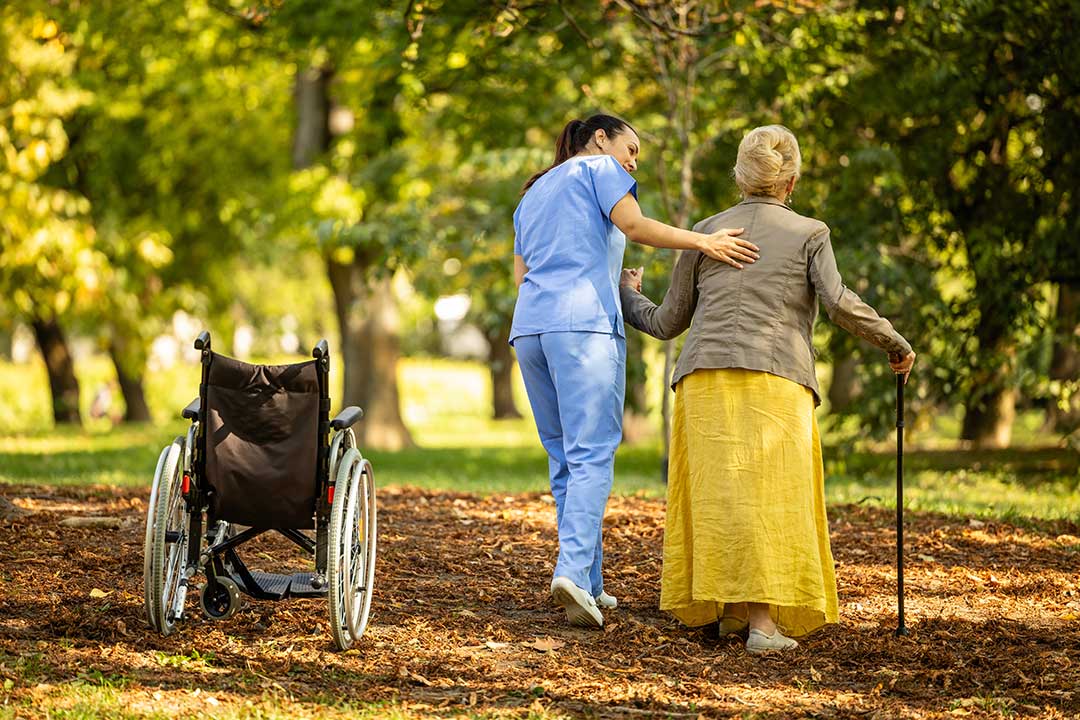
Overlooking the impact of ADL support can be a common misunderstanding—it is not just about comfort or convenience, but also about proactively protecting resident health.
What Wellness and Preventive Services Are Offered?
Facilities usually offer wellness programs designed to help residents maintain function and reduce preventable health issues. Common examples include group exercise, balance classes, and health education sessions.
Depending on the community and season, these services can include:
- Walking clubs or chair exercise groups during milder weather
- Fall prevention workshops and screenings
- Seasonal flu and vaccine clinics led by visiting nurses
- Screenings for blood pressure, weight, or vision changes
Preventive health efforts work best when tailored to residents’ interests and local conditions, such as safe activity options during winter months when walks outside may not be practical.
Can Residents Arrange Outside Health Services in Assisted Living?
Many people are unsure whether they can keep seeing their long-term doctors, therapists, or visiting home health aides after moving to assisted living. In nearly all cases, residents remain free to choose and schedule their own outside health services, with assistance from the facility for coordination and logistics.
Assisted living is structured to work alongside community healthcare, not to fully replace it. Staff typically support residents in:
- Booking appointments with outside providers
- Coordinating transport and reminders
- Communicating needs and status updates to health professionals (with consent)
For some services—especially those requiring medical licensure, like skilled nursing, IV therapy, or advanced wound care—outside home health services may be brought in with a doctor’s order.
How Does Assisted Living Maintain Health and Dignity?
A core value in assisted living is balancing residents’ health needs with their desire for independence and privacy. Staff are trained to intervene only as much as necessary and to personalize health services to individual goals.
Assisted living communities prioritize:
- Respecting residents’ choices about their daily routines
- Individual care plans that evolve with residents’ needs
- Fostering a social environment that supports mental and emotional health
Households in Souderton considering assisted living can expect a thoughtful approach to health—focused not just on physical wellbeing but on supporting community members to live life with dignity and engagement.
